

Test the Strength of Your Emotional Intelligence
18 February، 2020
The magical plan for achieving success
18 February، 2020
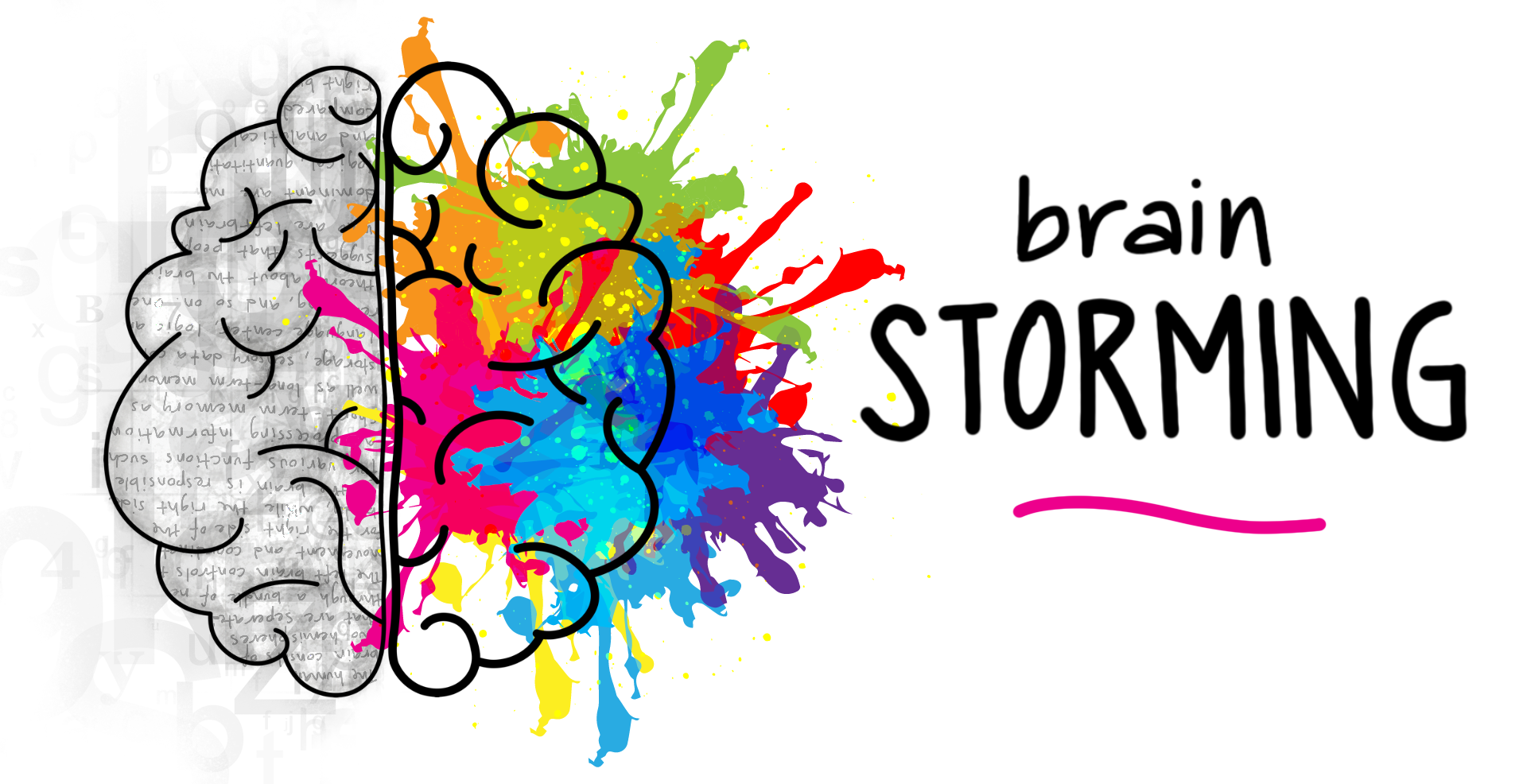
Brainstorming is one of many techniques for stimulating thought and creativity. There are more than thirty such techniques in the United States and over a hundred in Japan.
Brainstorming is used as a group or individual thinking method to solve a wide range of scientific and everyday problems and enhance abilities
and mental processes. The term Brainstorming means using the mind to actively tackle a problem.
Brainstorming sessions are characterized by generating a large number of ideas about a particular problem. This highlights the importance of evaluating these ideas.
And selecting a few of them for implementation.
.
Brainstorming Objectives:
أولاً: Solving problems creatively.
ثانياً : Finding new projects.
ثالثاً: Encouraging and training people to think creatively.
.
Brainstorming Steps:
First: Identify and discuss the problem
أي إحاطة Team The topic in detail and gain a basic understanding of the problem. In this case, the session leader only needs to give participants
the minimum information about the topic.
.
Second: Rephrase the topic
Participants are asked to Team revisit the scope of the topic as it was initially defined and identify its dimensions
and different aspects, as the topic may have other facets.
.
Third: Create an environment for creativity and brainstorming
Participants in a brainstorming session need to be prepared for a creative mindset. This preparation takes about five minutes, during which they practice
answering one or more questions posed by the session leader.
.
Fourth: Documentation
The meeting leader writes down the selected question or questions by rephrasing the topic established in the second stage
and asks participants to share their ideas freely while the note-taker quickly records them where everyone can see.
.
Fifth: Identifying the Most Unusual Idea
Participants should choose the strangest ideas—the ones furthest removed from the ideas already shared and from the topic—and consider how these ideas could be turned
into useful, practical ideas. At the end of the session, the leader thanks the participants for their valuable contributions.
.
Sixth: Evaluation
This involves evaluating ideas and determining what can be drawn from them. Sometimes good ideas are obvious and stand out, but more often they are buried beneath the surface.
They can be difficult to identify, and we’re often concerned they’ll be overlooked among dozens of less important ideas. That’s why evaluation requires a certain amount of deep thinking.







