
What Do You Know About Cause Marketing?
7 October، 2019
8 Reasons Your Best Employees Are Quitting
7 October، 2019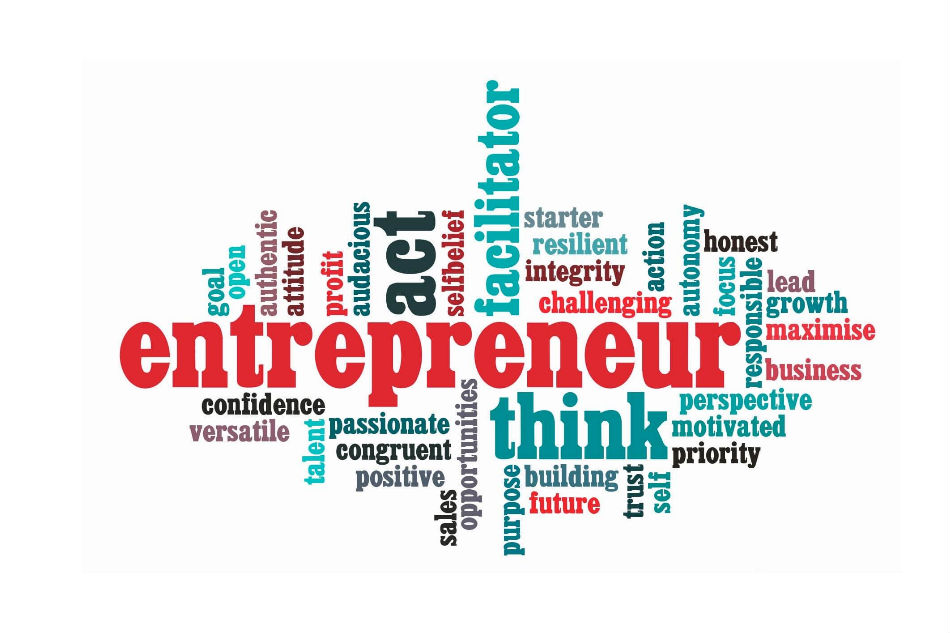
Young people’s growing fascination with the field of Entrepreneurship in recent years has led to the spread of the concept of entrepreneurship across the
Middle East. There’s no doubt that interest in entrepreneurship and in launching small and medium-sized businesses with new, innovative ideas has surged. This has led
young people to rush to start their own businesses so they can become Successful entrepreneurs, while at the same time, some major investors are driven by
a passion for supporting others, attracting talent, and turning their ideas into reality, confident that these new and distinctive ventures will deliver significant value.
In this context, not everyone in the business world deserves the title “entrepreneur.” The term has become freely applied to anyone who has even a passing involvement in this
the scene, but there are clear differences between a project owner, an entrepreneur, and a businessperson. Each has their own personal and creative traits, qualities, and capabilities.
تميزه عن غيره.
Although the internet is full of thousands of articles about the title of Entrepreneur, but the concept of an entrepreneur seems clear to some
People—so much so that some businesspeople are now considered entrepreneurs. In this article, we’ll take an in-depth look at the concept and term
Entrepreneur and how it differs from other concepts, such as a project owner or businessperson.
.
The true meaning of an entrepreneur
First, we can say that an entrepreneur’s capital is their personal talent and exceptional skills, which they rely on
to identify a genuine opportunity to solve a problem around them. This opportunity must have the potential to become a profitable venture, and they work to secure
the resources needed to turn it into a tangible reality.
What most distinguishes an entrepreneur is their willingness to take risks to pursue a dream and achieve a goal. They typically aspire to improve the services or products they
offer. The expected profits from entrepreneurs’ ventures are often substantial, which increases the level of risk involved. In some
cases, entrepreneurs turn to investors for external funding, or to organizations capable of bearing those risks.
.
سمة المخاطرة خارج النطاق
Unlike the concept of an entrepreneur described above, business owners rely entirely on the traditional factor of production—
“capital”—to establish their businesses, along with other requirements such as equipment, resources, employees, and business premises, ultimately becoming the owners or proprietors of
Projects, as a business owner’s appetite for growth is almost nonexistent, unlike an entrepreneur’s.
A business owner’s ultimate goal is to start a business of their own that generates enough profit to cover their living expenses and those of their employees,
Business owners have very limited capacity and do not aspire to create more jobs. As a result, they lack the ability to accelerate market momentum.
In other words, business owners typically do not have investment capital to provide the support they need. Contrary to what some believe, their path to profitability is not variable,
but in reality follows a steady pace, with a series of conventional steps that lead them toward a lower-risk path. This group does not seek to
discover new concepts that could help develop their businesses. This approach makes them happy to stay on this steady path.
Ultimately, we can say that there are clear differences between the two categories, each of which plays its own role in the economy. As we can see, Entrepreneur يتميز
many of the key differences come down to a desire for transformation and a willingness to take risks. According to many reports and studies, these two traits are
the driving force that moves society forward through extraordinary creative ideas.