

How to Deal with an Arrogant Employee
9 September، 2020
Michael Dell’s Advice for Entrepreneurs: Are You Ready to Put It into Practice?
9 September، 2020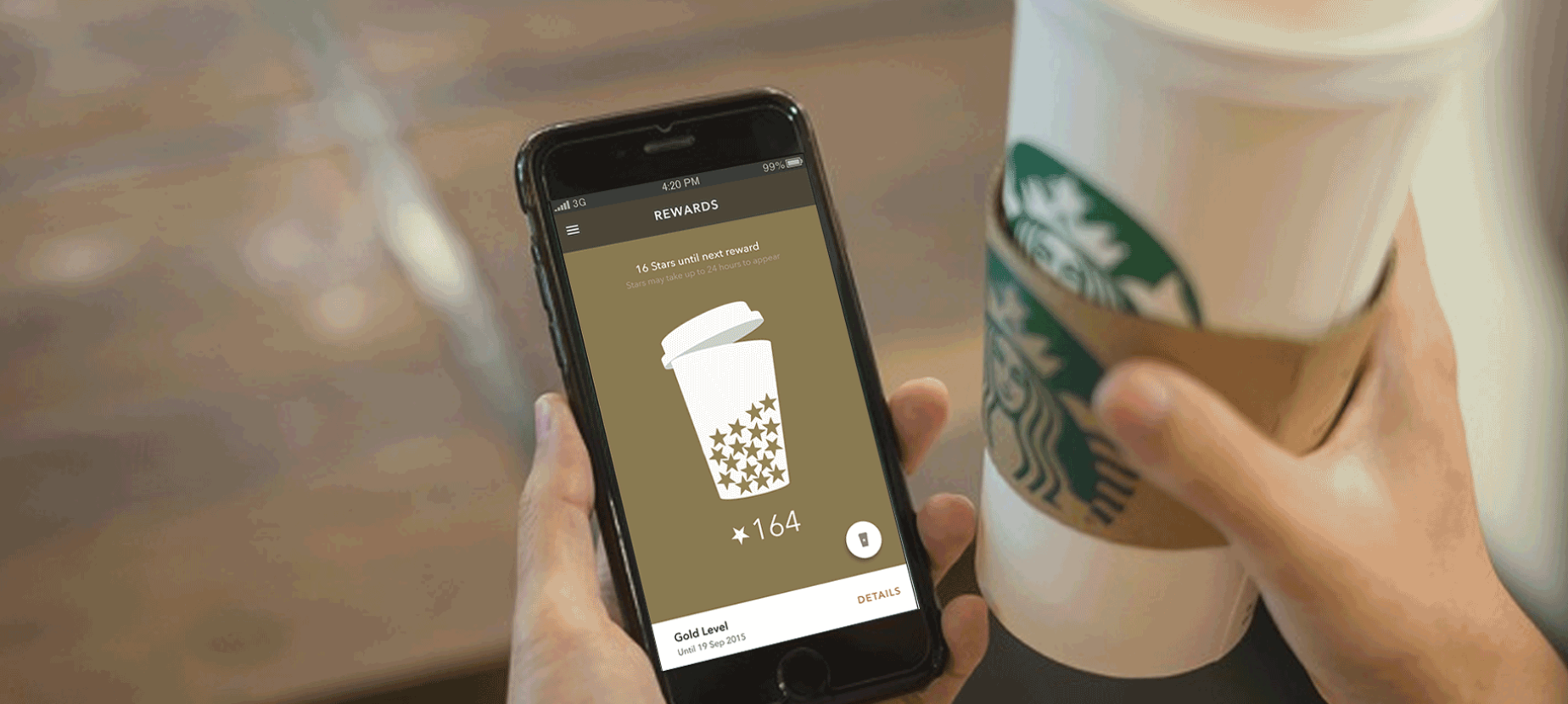
For many years, Starbucks’ apps reigned supreme among mobile apps. They were first launched in 2014,
and the feature quickly spread to competing companies, to the point that mobile orders alone caused crowding and congestion
in stores in recent times.
As a result, Starbucks created dedicated areas in its stores to serve mobile app customers only, becoming one of
the first companies to take such a step. Other retail chains followed suit.
Starbucks is now looking to chart a new course, after opening its first “Pickup” store in New York at the end of 2019, amid
expectations that the chain will expand these stores to other states this year.
There is no doubt that the coffee chain’s marketers know that the best mobile experiences are those that
encourage customers to engage with the brand on an ongoing basis. According to survey data from market and consumer information and analytics firm Numerator,
61.4% of Starbucks customers use its app, and most of them use it to place orders ahead of time
or pay in-store.
The data also indicates that the app encourages purchasing behavior, with app use and the frequency of customers’ visits to the company’s stores appearing to be closely linked,
with the study suggesting that app users may visit Starbucks stores twice or more per week, and are also more likely
to visit the company’s stores several times a day—an impressive finding.
.
App Strategy
Starbucks is certainly in an enviable position compared with other quick-service restaurants. Consumers who
order coffee every morning and enjoy the same cup of coffee and breakfast each day are also the least likely to order lunch
or dinner from the company. So any company with a dedicated mobile ordering app should incorporate the best elements of
Starbucks’ strategy into its own mobile app.
To succeed, companies like these should follow the three steps below:
.
1- Encourage Brand Loyalty
There’s no doubt that Starbucks is investing in its mobile app-based loyalty program, but it’s not alone
in doing so. Some competitors—such as Dunkin’ and Burger King—also offer substantial incentives to customers who place
their orders through their apps.
Rewards programs increase customer engagement. According to Mercator data, between 50% and 60% of consumers said
their membership in a brand’s loyalty program had motivated them to visit that brand’s physical store locations.
With the Starbucks app, users can earn redeemable Stars for every dollar they spend, which expire
These rewards expire within 6–12 months of purchase, depending on membership level, but the company encourages
customers to use them and make additional purchases so they can maintain their status at the
highest tier, making the customer experience more enjoyable and strengthening customer loyalty.
.
2- Personalize the Experience
Starbucks and other leading consumer brands—such as Nike and McDonald’s—use mobile apps
to deliver integrated digital experiences. The company’s app stores customer preference and purchasing behavior data for
the company to use later to create offers and discounts targeted directly at those customers.
There are also small aesthetic touches that can boost engagement with the brand, such as having the app play music
in the background—the same music the store typically plays—linking the in-person customer experience with its online counterpart.
.
3- Bringing Brand Values to Life
Young consumers are often seen as a driving force behind the mobile revolution. They also feel a strong connection
to values—something Starbucks has not overlooked. It is working on a new app feature that will allow
customers to learn more about the origins of their coffee by scanning its packaging.
.
تتبع المعلومات
The company also offers a feature that tracks information about the farmers who source its coffee, helping to humanize its brand.
For customers seeking authenticity.
And Starbucks doesn’t have a monopoly on best practices, but it has set a high bar for marketing and designing mobile apps—
achieving success by bringing together loyalty rewards, online personalization, and brand values in its app experience. So
competitors may be surprised by how much brand engagement can increase when they follow the steps outlined above.







