
The Complete Guide to Professional Product Photography – Part 1
26 July، 2021
3 Key Steps to Ensure Your Online Store’s Success
27 July, 2021
Let’s continue with Part Two of the complete guide to professional product photography. You can read Part One here.
via the following link
The Complete Guide to Professional Product Photography – Part 1
.
The Importance of Lighting in Product Photography
It’s worth noting that choosing the right lighting for photography plays an important—and sometimes essential—role in many cases.
Don’t forget that the only thing connecting your product with the customer is an image. Customers can’t touch, inspect, or try out your product.
So they have to make their decision based on the image you show them, and good lighting will be key to success
and convincing the customer of the product’s quality.
Customers often look for a particular feature or appearance in a product and base their purchase decision on whether that
feature is present. The right lighting will help them examine the details they’re looking for.
Keep in mind that there is no single lighting setup that works for every type of product. What may work well
for photographing metal products, for example, may not work for organic products or those with a non-
عاكسٍ للضوء.
So, you need to understand different lighting conditions and which types of products are suited to each. In general, there are two types of
lighting that serve as the main light source in photography: natural and artificial lighting.
الضوء الطبيعي
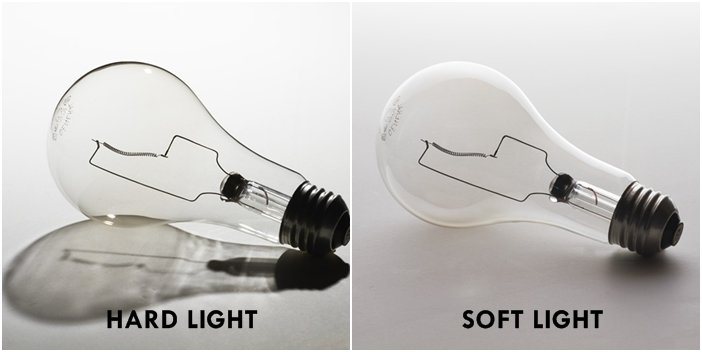
Natural light comes from the sun. It is often called “soft light” because sunlight has a broad, diffused spectrum,
unlike artificial light, such as a lamp or flash. Natural light
can be an excellent choice—and product photography outdoors is preferable—in the following situations:
- When the product is designed or intended for outdoor use in daylight, such as a travel bag. Natural lighting
It gives the product a very lively impression.
- The product is intended to be used or worn by someone. Shots of people look more lively and professional in
natural lighting, which brings out the vitality of both the product and its user.
- If you want to show the surroundings in which the product is used, rather than the product’s own features. Cleaning products may be
a good example: car-cleaning and polishing products, for instance, look their best
in marketing photos taken outdoors in sunlight.
.
Artificial Light
Artificial light is known as “hard light” and includes all types of light sources except
sunlight. This includes candlelight, artificial lamps, and even firelight.
Artificial light has a narrow beam and concentrated intensity, making it ideal for products whose fine details need to be highlighted
to impress customers. Wristwatches are a good example: customers interested in watches pay
close attention to the fine details of the watch case and its design.
The basic rule when choosing between natural and artificial light is to understand which lighting environment is appropriate
For photographing each product. Product photography that needs a soft touch in the lighting will give it a
very sharp look. Conversely, products that need focused lighting but are photographed using natural light will lose
دقّة تفاصيلها.
.
The Role and Importance of Shadows in Photography
Whether you choose natural or artificial lighting, you need to eliminate all shadows that leave
the product looking dull. This will give the product a vibrant feel and help show it in the finest
detail. You can address the problem of shadows while photographing in three ways:
Enhanced Lighting
This method involves using a soft light source to support and enhance the primary light source. The main goal
Fill lighting counteracts the shadow cast by the primary light source on and behind the product when it is illuminated
by it. Simply place the fill light behind the product, opposite the primary light source. In other words,
place the product you want to photograph between the primary and secondary light sources.
-Reflective panels
Reflectors, or bounce boards, are sheets made of a specialized material that reflects light and then bounces it
out in all directions. Their main purpose is to reflect and diffuse the primary light across
all parts of the product being photographed, reducing the shadows cast by the primary light source.
These panels are commonly found in professional cameras as part of the camera flash, where they reflect the flash light
and diffuse it in every direction, softening the harsh flash into a gentle, even light that helps reduce the amount of
shadow behind the product being photographed.
-Individual reflector panels
If you want to photograph products with your smartphone, traditional reflectors may not be an option
because smartphones usually don’t have a separate flash. Instead, you can use standalone reflectors
and position them opposite the main light source.
This way, you can do without fill lighting that works against the main light source, since the
reflectors spread the main light source itself across every part and detail of the product being photographed. This helps you achieve
the primary goal of lighting: minimizing shadows while keeping all the product’s details clear
and visible.
If you can find an ideal light source that meets these requirements, you’ll get a clear, professional image that meets
your customers’ needs. These two photos show how important shadows are in photography.
تحرير الصور
Of course, in most cases, you’ll need to make a few final adjustments to an image before sharing it with your customers. Even
with all the preparation and settings in place, you may still need to make changes to the image you’ve captured. That’s why
you need an image-editing program that gives you plenty of flexibility to make adjustments and add a touch of—let’s call them
artistic touches to the details of your image. Here are some of the most popular image-editing programs for both
computers and smartphones:
.
Best Programs for Computers
-الفوتوشوب
Who hasn’t heard of this famous program, which has become the flagship of the industry’s leading image-editing software? It includes
Photoshop offers an almost endless range of image-editing options, giving you plenty of room to get creative
المستخدم.
You can adjust basic image settings, such as colors and brightness, and apply filters. You can also move on to
professional features, including changing the background and refining the edges around the photographed product, among others.
.
-Gimp
If you’re not planning to spend money on the full version of Photoshop, Gimp is the
best choice for you. You can make most of the image edits you need. Of course, the program doesn’t offer quite as many features
It may not offer as many options as Photoshop, but it’s still enough for most users.
GIMP is a free, open-source program that works on a range of computer operating systems,
including Windows, Mac, and Linux. You can use it to edit image layers and adjust a variety of
elements, such as color, lighting, saturation, white balance, and more.
.
Best apps for smartphones
The smartphone app market has grown tremendously, offering all kinds of apps for a wide range of uses. And
photo editing is well represented, with hundreds, if not thousands, of smartphone apps for editing
Photos—which app is best? Here are our top picks.
-تطبيق VSCO Cam
Many photographers rely on this app for most of their smartphone photography. It offers a wide range
of editing and filtering features in its free version, along with plenty of options if you want more room
to edit and are willing to pay for the premium version.
With VSCO Cam, you can set up presets to apply to all the photos you
take and post in your store, giving your store’s products a consistent look. This app is available on all
For Android and Apple phones.
-تطبيق Adobe Lightroom
This app is a scaled-down version of Adobe Lightroom for desktop computers. It is similar to its
predecessor, but it doesn’t include many free filters or settings. Even so, the precision it offers when editing
photos is very satisfying. The app is available for Android, Apple, and Windows Phone devices.
.
4 golden tips for product photography
1. Include any illustrative details in your gallery
If your product has fine details that could capture a customer’s interest, be sure to include them. For example, let’s take
Bedroom bedding products: If you offer layered mattresses designed to give customers maximum comfort while they sleep,
consider photographing one with its components separated and each layer clearly outlined.
على الصورة.
Be sure to showcase the variety you offer. If you provide customers with a wide range of product types,
make that clear by adding them to your photo gallery. If you sell clothing in your store and have many options
in a particular category, photograph those items and add them to the gallery as well.
.
2. Take several photos from different angles
Remember that images are two-dimensional, so a single photo can’t show customers every detail of a product,
and the solution is to take professional shots from different angles. Think about how customers would examine the product you’re showing them
.if they were holding it in person.
If customers need to see the interior details, be sure to photograph them and include them in the image gallery.
Take cars, for example. Would a variety of exterior-only photos be enough for customers?
Of course not. They need detailed photos of the car’s features and interior design.
.
3. Make sure you have a good background
Whether you want to photograph products in a static or dynamic style, choosing the right background is one of the
key considerations. For static shots, the background color and details depend on your target customers and the
product itself. For example, if you're showcasing women's cosmetics, you might choose a pink background.
If you choose to photograph products in a dynamic style, you should understand the conditions in which customers use those
products. Take raincoats, for example: naturally, they are used primarily in rainy weather
Rainy, so you may want to photograph those products in a rainy setting.
.
4. Product Photo Editing Services
If you don’t have enough experience with photo editing and retouching, and don’t want to invest a lot of money, effort, and time
in mastering the skills involved, you can turn to professional photo editing services provided by designers who specialize
in editing and photographing products for online stores.







